The 2026 Guide to Premium Tiny Homes in the Philippines

From the Founder’s Desk reflects BALAI’s pursuit of better spaces through real experience, disciplined decisions, and the evolving standards behind modern cabin building in the Philippine landscape.
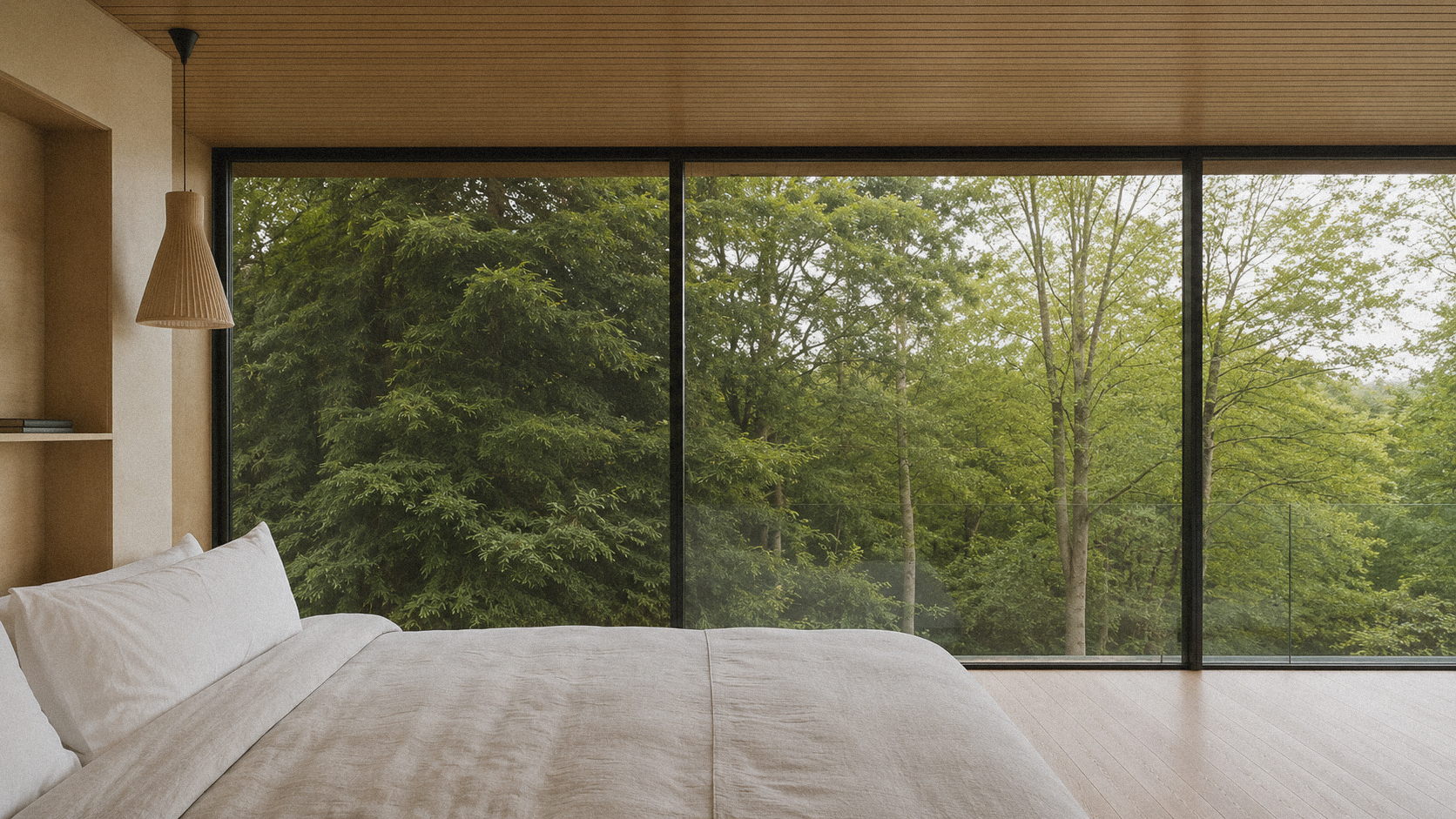
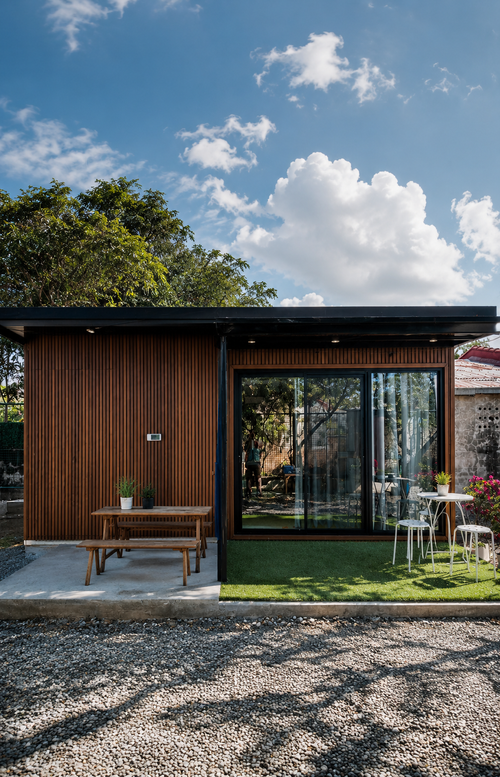
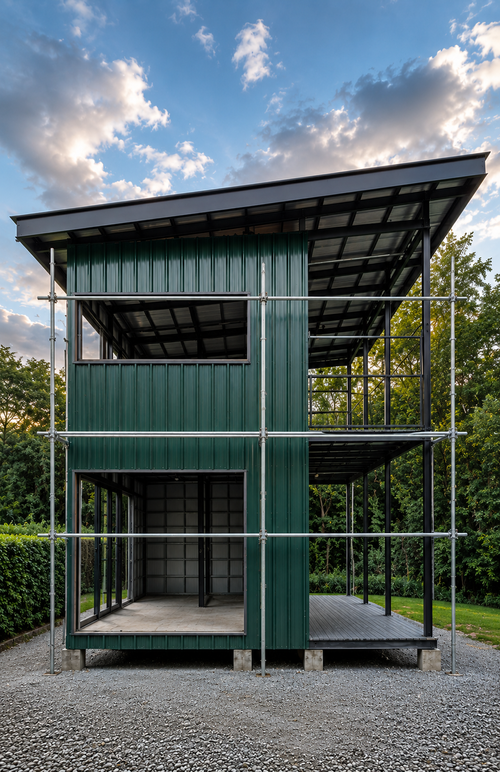
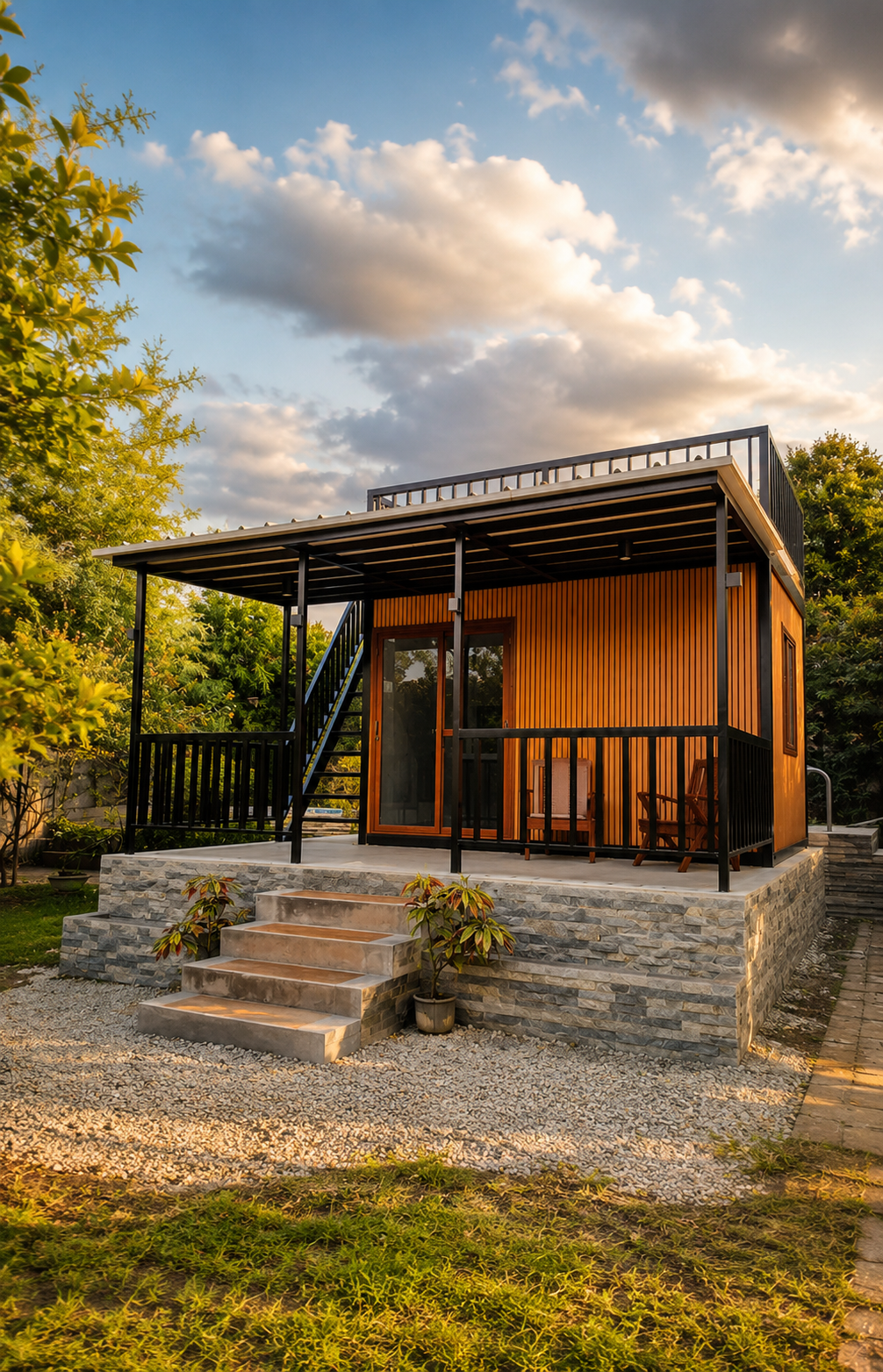
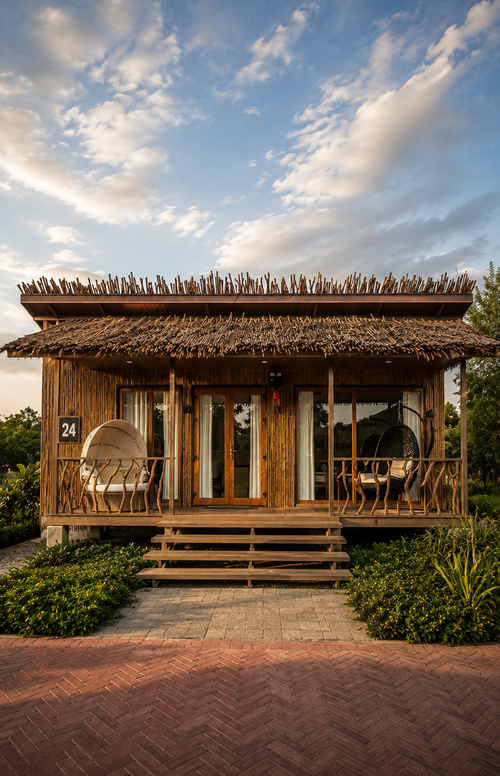
As land prices continue to rise across the Philippines, a new way of living is beginning to take shape. More Filipinos are looking beyond oversized traditional homes and exploring smarter ways to build, invest, and create meaningful spaces. Premium tiny houses, luxury modular cabins, and modern prefab homes are becoming practical alternatives for families, investors, and resort developers who want flexibility without sacrificing design.
Still, one question often comes first: how much does a premium tiny house or luxury modular cabin really cost in the Philippines, and how can it be financed? This 2026 guide looks at estimated construction costs, financing options, budgeting strategies, and key considerations for anyone planning to build a modern modular cabin or premium compact home.
Why Premium Tiny Houses and Luxury Modular Cabins Are Growing in Popularity
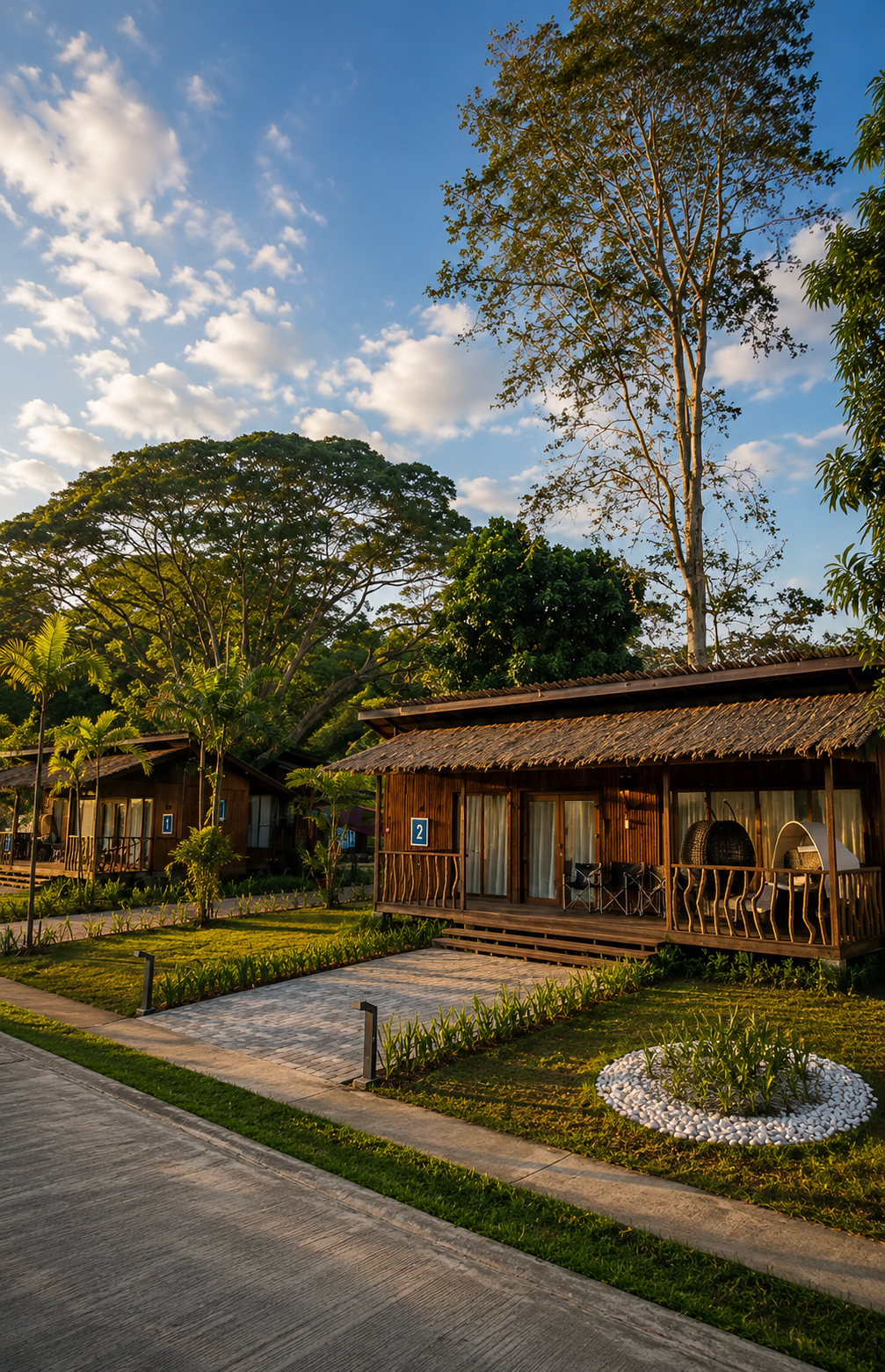
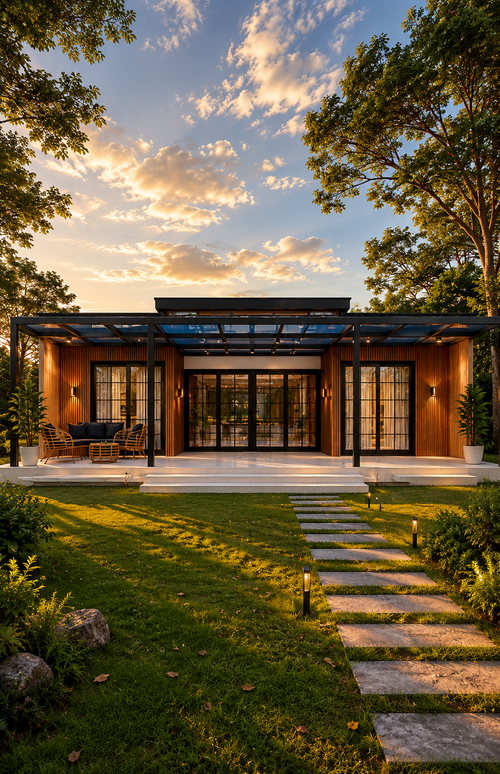
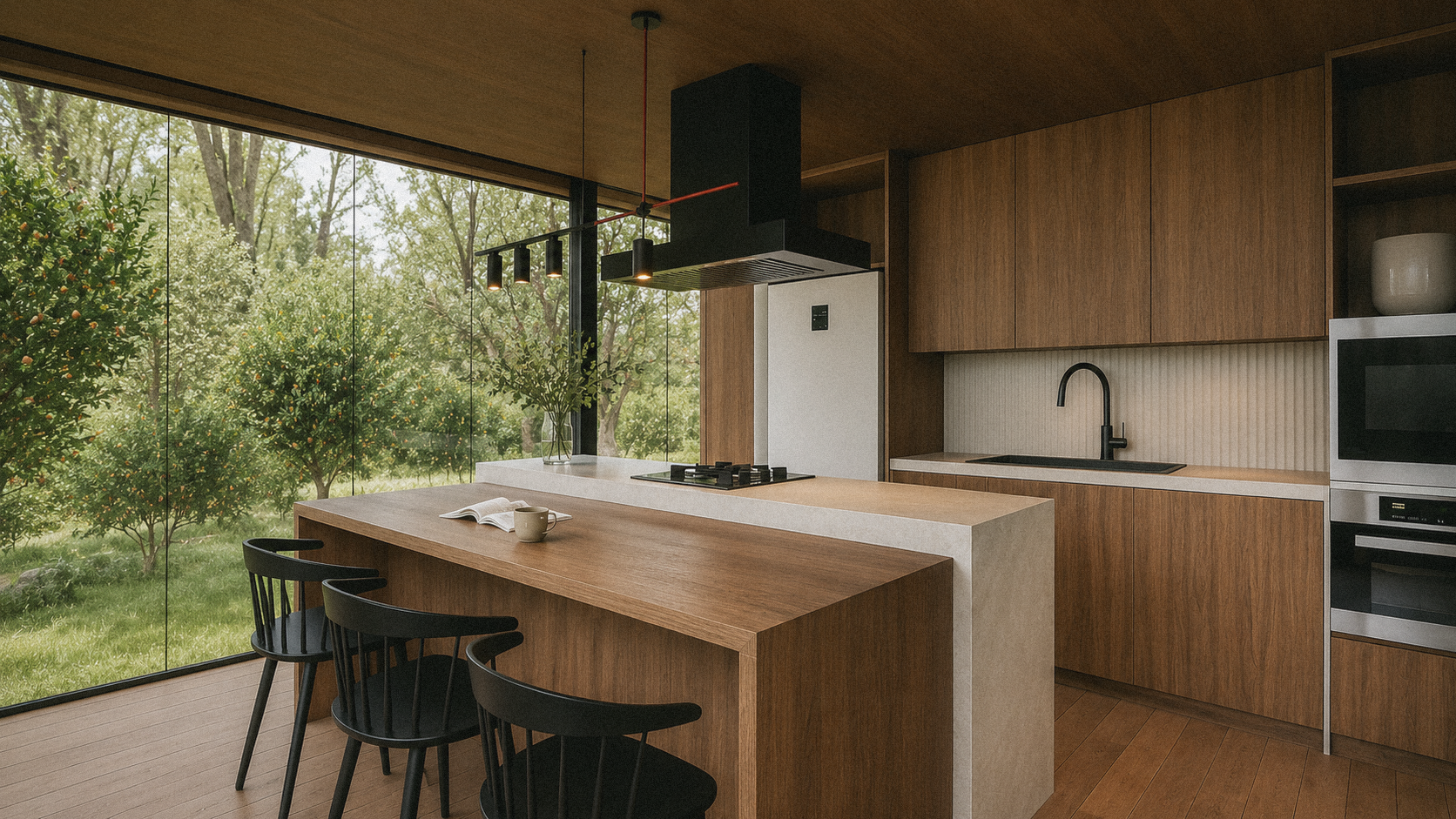
Modern cabin living has moved beyond a niche idea. Across the Philippines, more people are looking at premium vacation cabins, Airbnb-ready tiny houses, boutique resort units, tropical prefab homes, farm lot retreats, wellness spaces, and nature-led hospitality projects as smarter ways to live and invest.
The shift is driven by a growing preference for slower living and spaces that feel closer to nature. For families, investors, and developers, premium modular cabins now offer a more practical path toward personal retreats, rental income, and destination-based property development.
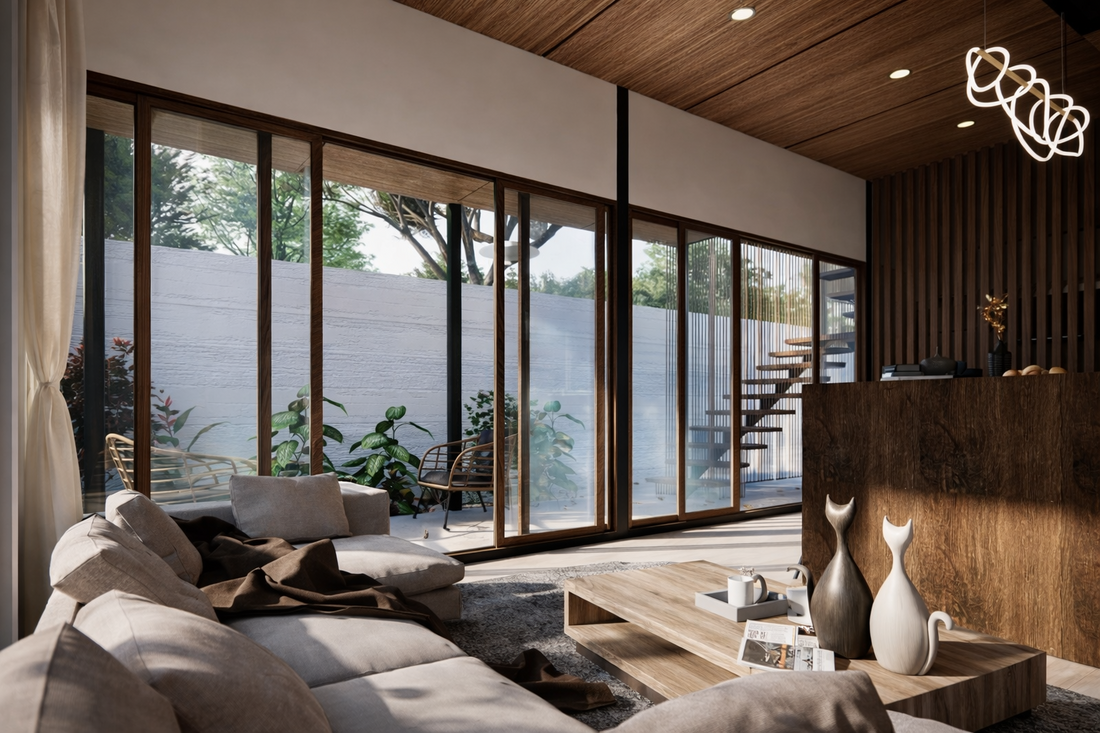
Estimated Cost of a Premium Tiny House or Luxury Modular Cabin in the Philippines
The cost of a premium modular cabin depends on several project factors, including the design complexity, structural system, material specifications, finish level, site access, utility requirements, outdoor living areas, and glass or façade details. Each project should be priced based on its actual scope rather than size alone, since location, logistics, foundations, upgrades, and finishing choices can significantly affect the final investment.
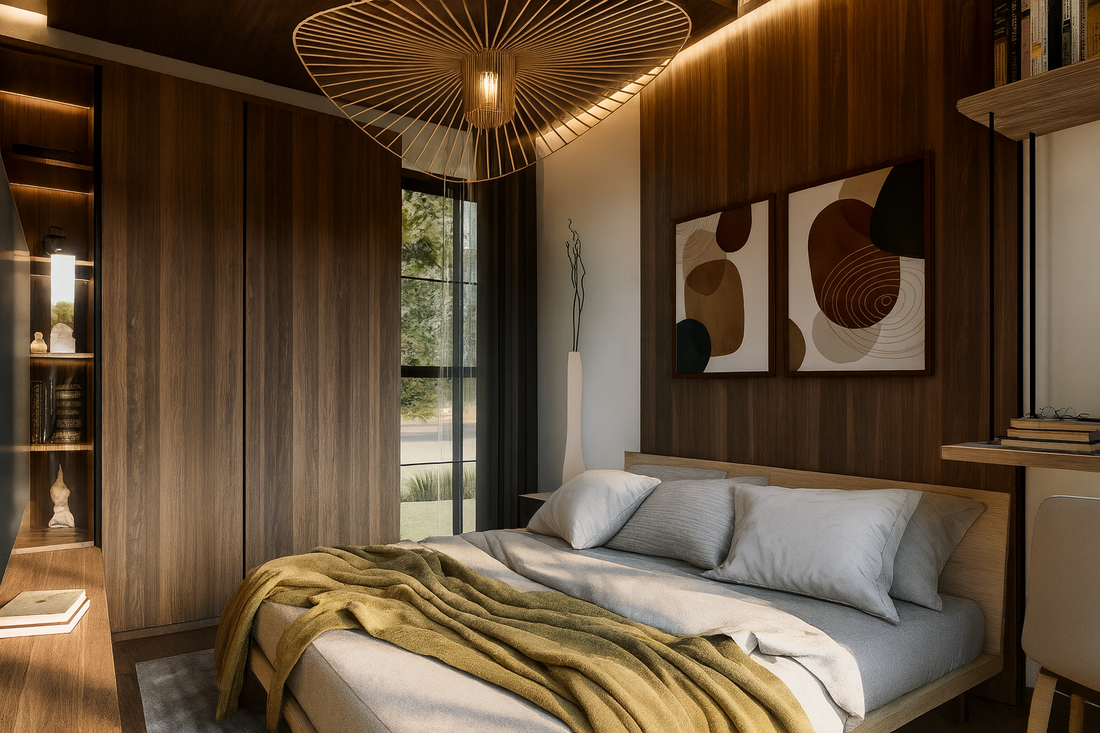
As of 2026, premium tiny house and modular cabin costs in the Philippines generally fall into a wide range depending on the build level. Mid-range modular cabins may start at around ₱50,000 to ₱55,000 per sqm, while premium modern cabins often range from ₱55,000 to ₱75,000+ per sqm. Luxury resort cabins may reach ₱75,000 to ₱100,000+ per sqm, while high-end architectural prefab cabins can exceed ₱120,000 per sqm.
As a general guide, a small premium tiny house may cost around ₱900,000 to ₱2M+, while a modern modular cabin with outdoor deck areas may range from ₱2M to ₱6M+. Larger luxury resort-style prefab cabins may exceed ₱7M depending on finishes, glazing systems, site conditions, engineering requirements, and customization. These figures are broad industry estimates only and should be treated as a planning guide rather than a final quotation.
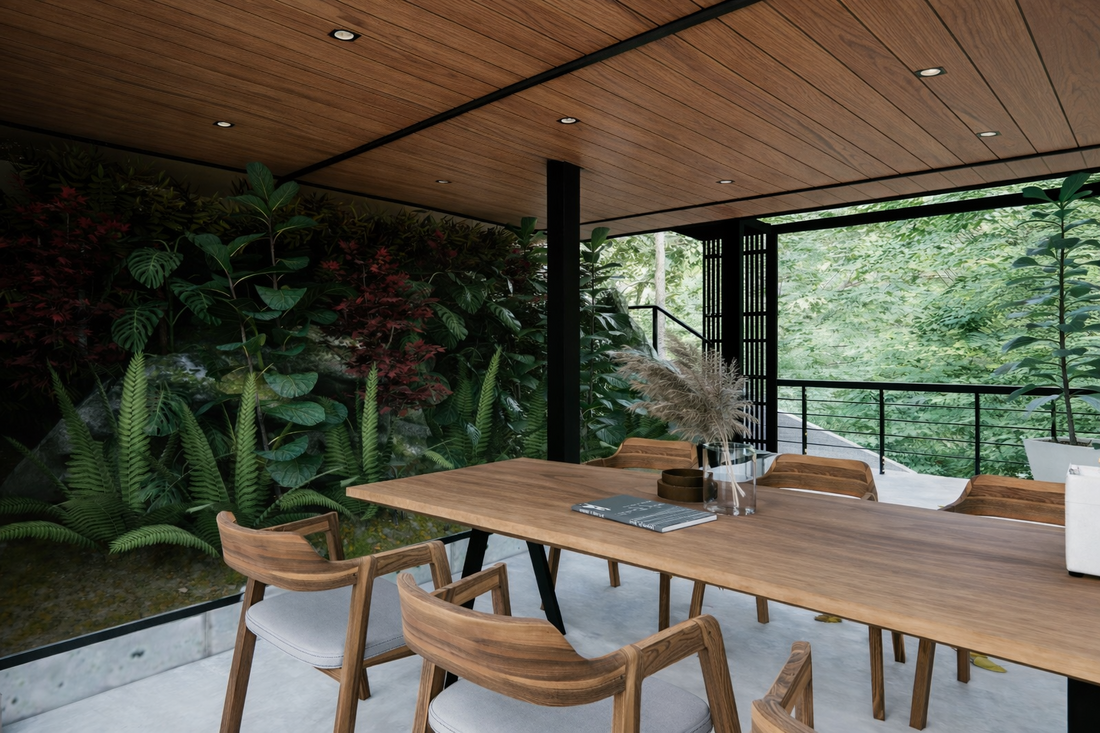
Financing Options for Premium Tiny Houses and Modular Cabins
1. Bank Construction and Home Loans
For many clients, traditional bank financing remains one of the most familiar ways to fund a premium tiny house or modular cabin project. Several Philippine banks may support residential cabin construction, vacation homes, resort accommodations, prefab structures, property expansions, and upgrade works, depending on the borrower’s qualifications and the project details.
Approval usually depends on property ownership, household income, credit history, architectural plans, contractor quotations, and the appraised project value. Common financing institutions clients may explore include BDO, BPI, Security Bank, Metrobank, RCBC, and Chinabank.
2. Pag-IBIG Housing Loans
For many Filipino homeowners, Pag-IBIG financing remains one of the more accessible ways to fund housing-related construction or improvement projects. Depending on eligibility, project structure, and required documentation, it may support certain cabin or home-building scenarios subject to evaluation and approval.
3. Savings and Phased Construction
Some cabin owners choose to build gradually through savings instead of taking on full financing at once. This approach allows the project to begin with the structural frame, roofing, enclosure, electrical, and plumbing works before moving into finishes, furniture, landscaping, and outdoor areas. It is often practical for farm lots, vacation properties, retirement cabins, and boutique hospitality projects where owners want better cash flow control while upgrading over time.
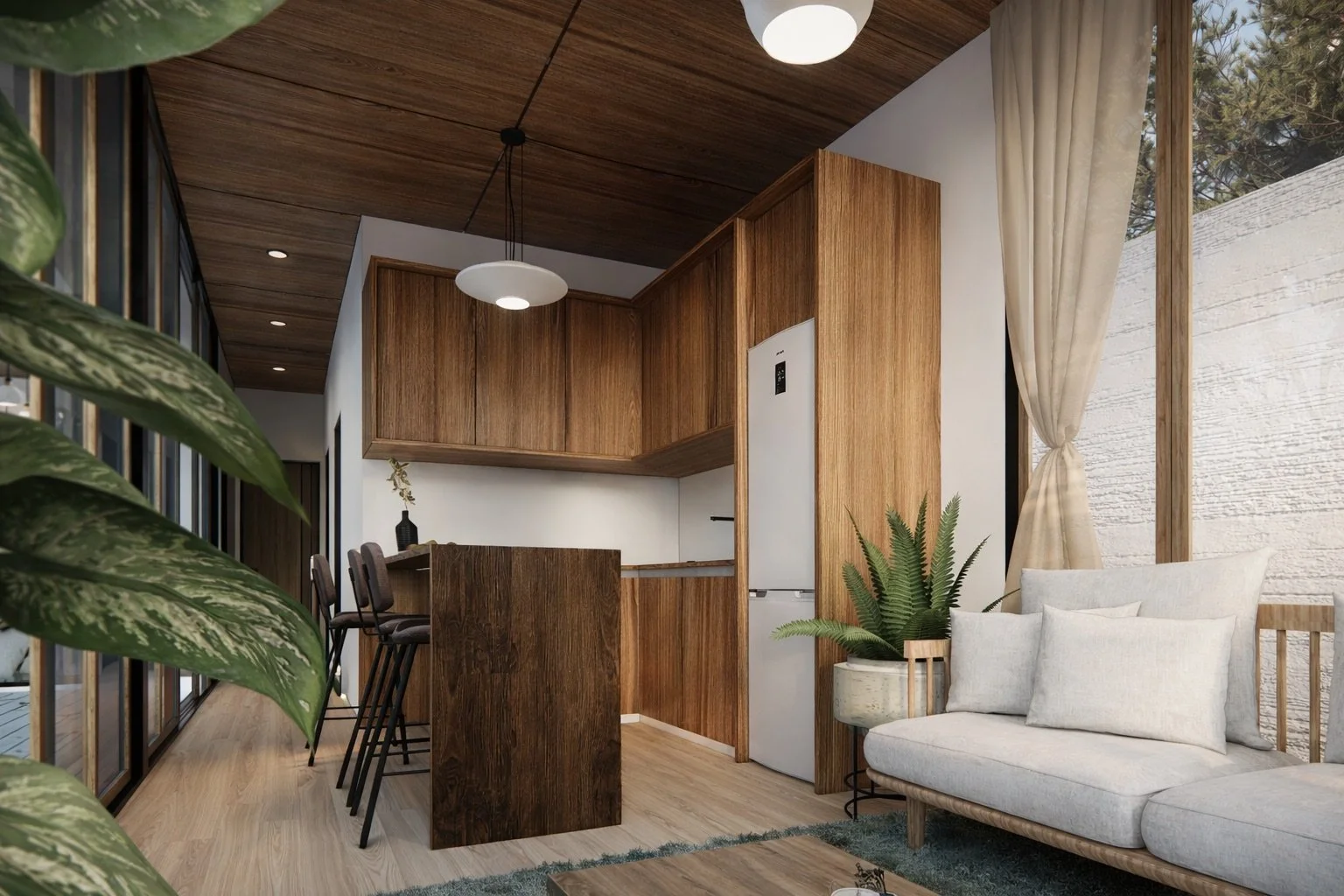
Companies like BALAI PH are helping bring premium modular cabins and tropical prefab living systems into the Philippine setting, where climate, terrain, access, and lifestyle all shape the way a structure should be planned.
Before building, buyers should also prepare for costs beyond the cabin itself. These may include architectural and engineering plans, site clearing, foundations, septic systems, utility connections, water systems, permits, access roads, landscaping, fences, decks, and covered porches. When these items are not considered early, they can significantly affect the final project budget.
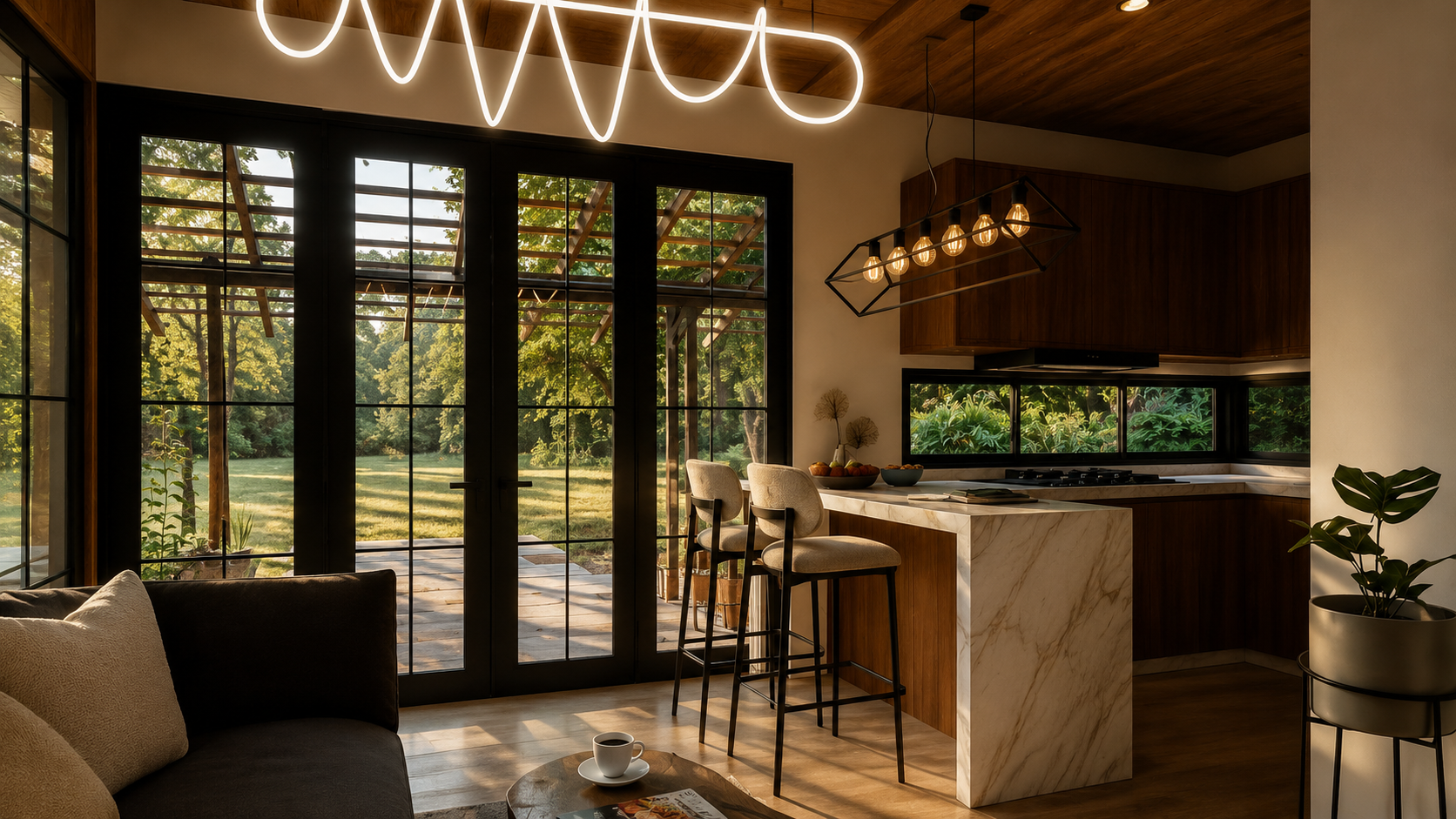
How to Budget More Effectively for a Premium Cabin Project
A premium cabin project should begin with a clear purpose. Before finalizing the design, define how the cabin will be used, separate essential requirements from optional upgrades, and prioritize structural quality before cosmetic finishes. It is also important to avoid overbuilding beyond the property’s market value and to plan for long-term maintenance, utilities, and future operating costs.
For better budget control, include a contingency fund for unexpected site conditions, logistics changes, or scope adjustments. A 10% to 20% contingency budget is commonly recommended for construction projects in the Philippines, especially for cabins built on farm lots, mountain properties, coastal sites, or locations with challenging access.
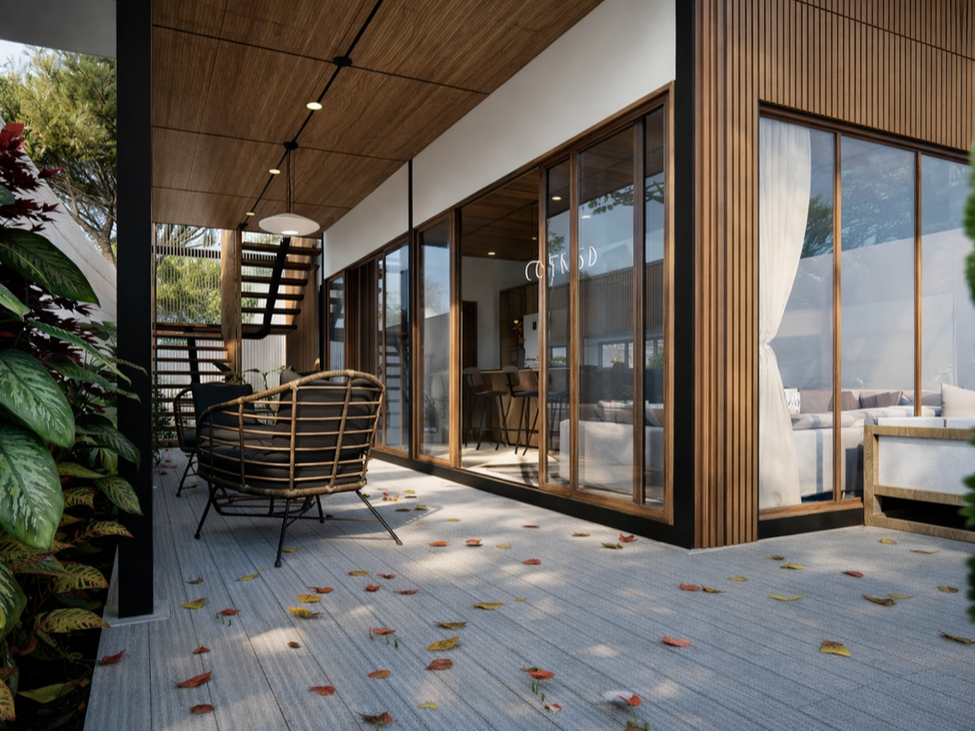
Final Thoughts
Premium tiny houses and luxury modular cabins are becoming one of the most compelling shifts in Philippine residential and hospitality development. They answer a growing need for flexible living, nature-connected spaces, rental opportunities, smarter land use, modern tropical design, and long-term property value.
As financing options and modular construction systems continue to improve, premium cabin projects are becoming more achievable for homeowners, investors, and resort developers. Whether built for personal use, hospitality, or lifestyle investment, the strongest projects still begin with thoughtful planning and a clear understanding of cost, site conditions, and long-term purpose.
OUR FEATURED PROJECTS